
How Do You Safely Introduce Kids To Synthetic Ice?
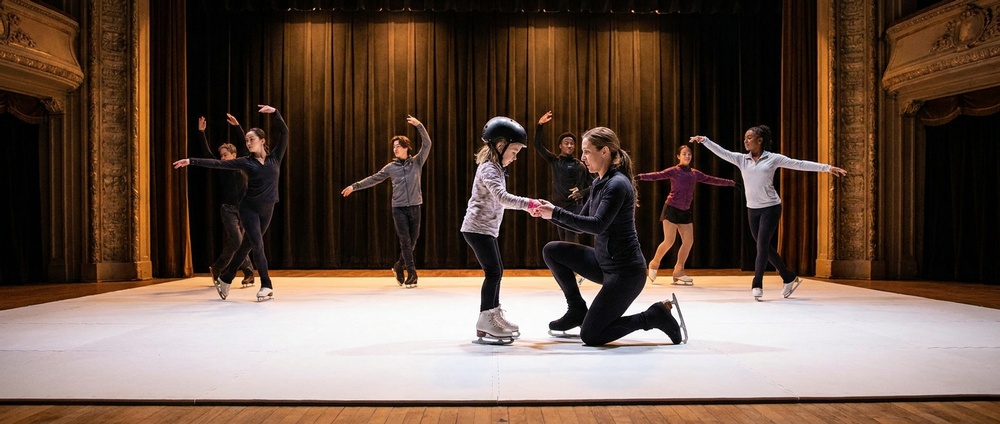
Finding the right extracurricular program for your children often presents a significant challenge. You want an activity that provides rigorous physical exercise while simultaneously nurturing creative expression. Traditional youth sports frequently fall short because they cater to a narrow set of athletic skills. These conventional options often leave out children who thrive on artistic engagement and theatrical performance. You need a comprehensive solution that bridges the gap between physical wellness and the performing arts in a highly constructive manner.
Parents frequently worry about the physical risks associated with learning a completely new sport. You might wonder exactly how to introduce kids to synthetic ice without overwhelming them or causing unnecessary anxiety. Synthetic ice provides a unique learning environment that replicates the glide of traditional rinks while offering a slightly higher friction rate. This subtle resistance actually benefits new skaters by providing more stability during their initial steps. You can utilize this controlled environment to build their confidence systematically and safely.
Establishing a secure foundation requires a deliberate approach to athletic instruction. You must prioritize structured guidance that focuses on proper body mechanics and spatial awareness. When you integrate theatrical elements like singing and acting into the physical training, children become highly engaged in the creative process. This multidisciplinary method distracts them from the fear of falling and accelerates their overall skill acquisition. You ultimately create a highly supportive atmosphere where young athletes feel completely comfortable testing their physical limits.
Evaluating The Mechanics Of Artificial Skating Surfaces
Understanding the physical properties of artificial skating surfaces helps you prepare your child for their first session. Synthetic ice consists of high-density polymer panels engineered to mimic the smooth glide of frozen water. This material requires slightly more physical effort to navigate than traditional ice. The increased resistance serves as a built-in safety mechanism for young beginners. It naturally limits their speed and prevents sudden slips during their early development phases. This engineered resistance forces the skater to maintain better balance from the very first step.
You will notice that the mechanics of pushing and gliding remain identical to conventional skating. Your child will use standard figure skates equipped with standard metal blades. The synthetic panels require the skater to engage their core muscles more actively to maintain forward momentum. This constant muscular engagement builds athletic stamina rapidly. You can expect your child to develop superior lower body strength as they practice regularly on this specialized surface. Your child will quickly adapt to the specific physical demands of the polymer panels.
Implementing safe introductory ice fitness routines ensures a smooth transition into the sport. You should encourage your child to begin by simply walking across the panels in their skates. This basic exercise helps them find their center of gravity without the pressure of executing complex maneuvers. They can gradually transition from walking steps to gentle pushes as their balance improves. You must allow them to progress at their own pace to foster a positive relationship with the activity.
Proper equipment maintenance plays a significant role in the overall experience. The polymer surface creates friction that dulls skate blades faster than traditional ice. You must ensure their blades receive regular sharpening to maintain optimal performance and safety. Sharp blades cut into the plastic surface effectively to provide the necessary grip for turns and stops. You protect their physical safety by maintaining their equipment meticulously week after week.
Structuring A Secure Learning Environment
Creating a supportive atmosphere is essential when you introduce a new athletic discipline. Children absorb the energy of their surroundings immediately upon entering the facility. You must ensure the environment feels welcoming rather than intensely competitive. A positive setting encourages young participants to take the necessary physical risks required for learning. You can establish this foundation by clearly communicating expectations before they even step onto the floor.
You should focus heavily on the concept of falling safely during the initial training phases. Falling is an inevitable part of learning any balance-oriented sport. You must reframe these falls as standard learning steps rather than failures. Instructors teach specific techniques for descending to the surface safely to protect wrists and knees. You help your child build resilience when you applaud their effort to stand back up and try again.
Integrating familiar theatrical concepts into the physical instruction provides a strong psychological anchor. When children focus on projecting a character or remembering a vocal line, they stop overthinking their footwork. This mental diversion reduces physical tension in their muscles. Relaxed muscles respond much better to the balance requirements of the polymer surface. You effectively bypass their initial hesitation through creative engagement.
Consider the following strategies to optimize the early learning phases:
- Schedule sessions during times when your child possesses high energy and focus.
- Arrive early to allow them ample time to put on their equipment without feeling rushed.
- Review the planned activities beforehand so they know exactly what to expect.
- Celebrate small milestones like standing independently or completing a basic turn.
- Maintain open communication with the instructional staff regarding your child's specific learning style.
Merging Performing Arts With Athletic Training
The integration of performing arts into physical education offers significant developmental advantages. Traditional sports programs often isolate physical skills from artistic expression. You can provide a much richer experience by combining these disciplines into a single comprehensive program. Children learn to synchronize their physical movements with musical rhythms and dramatic narratives. This holistic approach engages multiple cognitive functions simultaneously. They begin to understand how their physical posture directly influences their vocal delivery.
You will see noticeable improvements in your child's spatial awareness and coordination. Theatrical skating requires participants to navigate the performance space while interacting with other skaters. They must learn to control their speed and trajectory to avoid collisions during group choreography. This heightened awareness translates directly into better physical control and balance. You give them the tools to master their physical presence in any environment.
Vocal projection and character work add another layer of complexity to the training. Singing or delivering lines while maintaining physical balance demands intense concentration. This dual focus forces the brain to automate the physical skating mechanics. As the skating becomes second nature, the child can devote more energy to their artistic delivery. You watch them develop a commanding stage presence that serves them well in all areas of life.
Enrolling your child in beginner synthetic ice lessons provides a structured pathway for this dual development. The curriculum introduces foundational skating techniques alongside basic acting exercises. Instructors carefully pace the introduction of new skills to prevent cognitive overload. Your child builds a robust skill set step by step in a highly controlled setting. You ensure their long-term success by choosing a program that values both athletic and artistic growth equally.
Fostering Community And Peer Support
Skill acquisition happens most efficiently within a supportive peer group. Children learn by observing their peers and mimicking successful techniques. You should actively seek out programs that emphasize group dynamics and cooperative learning. A strong community atmosphere reduces the intimidation factor of learning a complex new skill. You help your child build valuable social connections when you immerse them in a collaborative environment. They watch how older students handle difficult routines and strive to emulate that success.
Group performances serve as powerful motivational tools for young athletes. Working toward a shared goal encourages consistent attendance and focused practice. The children depend on one another to execute the choreography correctly. This mutual reliance builds a strong sense of accountability and teamwork. You witness their confidence soar when they successfully deliver a coordinated performance for an audience.
You can actively support this community building by engaging with other parents and families. Sharing experiences and logistical tips creates a strong local network. This network becomes an invaluable resource as your child progresses through more advanced training stages. You contribute to a positive organizational culture when you participate in community events and showcases. Your involvement demonstrates to your child that you value their dedication to the program.
The benefits of this peer support extend far beyond the immediate athletic context. The social skills developed during these collaborative sessions translate directly to classroom environments and future professional settings. Children learn how to communicate effectively, resolve minor conflicts, and support their teammates during challenging routines. You provide them with a comprehensive social education disguised as physical recreation. You set them up for broad success by prioritizing these interpersonal dynamics.
Measuring Progress And Setting Future Goals
Tracking your child's development requires a nuanced approach that goes beyond simple physical metrics. You must evaluate their growing confidence, their willingness to take creative risks, and their ability to recover from mistakes. Traditional sports often focus exclusively on scoring or speed. This theatrical approach demands that you appreciate the artistic nuances of their performance. You should celebrate their improved posture, their louder vocal projection, and their expressive facial movements. You will notice a distinct change in how they carry themselves both on and off the panels.
Setting realistic short-term goals keeps the child motivated during challenging practice sessions. You might focus on mastering a specific turn one week and memorizing a short monologue the next. These incremental achievements provide a steady stream of positive reinforcement. You must ensure these goals remain attainable to prevent frustration and burnout. Your active participation in the goal-setting process shows your child that you remain deeply invested in their journey.
Regular communication with the instructional staff provides valuable insights into your child's trajectory. Instructors can identify specific areas where your child excels and suggest targeted exercises for areas needing improvement. You should schedule brief check-ins to discuss their performance in both the athletic and theatrical components. This collaborative approach ensures that the instruction remains perfectly aligned with your child's individual needs. You empower the coaching staff to provide the most effective guidance possible.
As your child advances, you can begin to explore more complex performance opportunities. They might transition from group routines to featured solo moments within the larger productions. These advanced roles require greater discipline and a deeper commitment to the craft. You must support this transition by reinforcing the importance of consistent practice and mental preparation. You guide them toward a lifelong appreciation for the performing arts and physical wellness through this sustained encouragement.
Navigating the diverse options for youth enrichment in LaPorte County requires careful consideration of your family's specific needs. You want an environment that challenges your child physically while nurturing their creative spirit. Integrating theatrical performance with athletic training on an artificial surface provides a highly effective solution. Your child will develop physical stamina, mental resilience, and a commanding stage presence within a supportive community setting. You give them a distinct advantage by choosing a multidisciplinary approach to their personal development.
Taking the first step toward this unique educational experience is straightforward. You need a program that understands the precise mechanics of blending these distinct disciplines into a cohesive curriculum. We encourage you to reach out directly to discuss how this innovative training method aligns with your child's specific goals. Please contact admin@theatreonskates.com for a personalized evaluation of your child's readiness and to determine the most appropriate starting point. You can secure a foundational path that supports their artistic and athletic growth for years to come.