
Why Practice on Synthetic Ice?
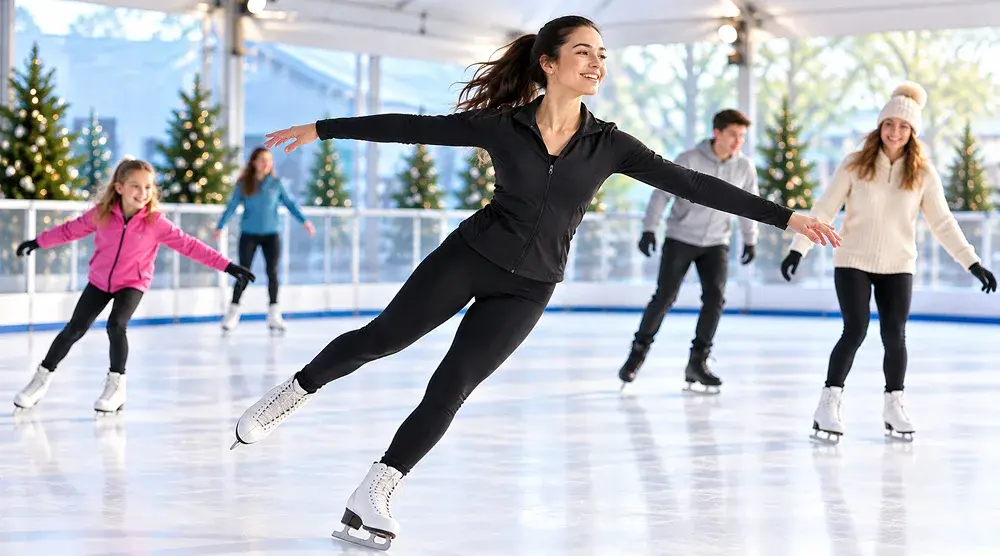
Learning to skate takes time, repetition, and the confidence to keep trying new movements. Synthetic ice provides a practical surface for developing those skills without the need for a refrigerated rink. It also creates opportunities to experience figure skating in settings that extend beyond traditional ice.
What Is Synthetic Ice?
Synthetic ice is made from specialized polymer panels designed to allow skate blades to glide across the surface without frozen water. It does not require refrigeration or freezing temperatures, and skaters can use standard figure skates. While the glide feels different from traditional ice, the surface provides a consistent environment for learning and practice.
Build a Strong Foundation on Skates
New skaters have a lot to think about at once. They are learning how to balance, shift their weight, control their movement, and become comfortable with blades beneath their feet. Having time to repeat these fundamentals can make the learning process feel more manageable.
Synthetic ice gives students a dedicated space to work through those early skills at a steady pace. As movements become more familiar, skaters can focus less on simply staying upright and more on developing greater control.
- Improve balance and stability
- Practise controlled weight transfer
- Develop posture and coordination
- Become more comfortable on skates
- Build skills through repeated practice
Practise Throughout the Year
Traditional ice requires specific temperatures and refrigeration equipment to maintain a frozen surface. Synthetic ice removes those requirements, making skating possible throughout the year in suitable indoor spaces.
More opportunities to practise can be valuable for developing skaters. Regular instruction allows students to revisit skills, build on what they have already learned, and continue progressing without depending entirely on access to seasonal or refrigerated ice.
Develop Greater Body Awareness
Good skating depends on understanding how small changes in body position affect movement. Students gradually learn how posture, balance, and weight transfer influence the way they move across the surface. These skills become increasingly important as they begin connecting individual movements into longer sequences.
Because synthetic ice has a different feel from frozen ice, skaters also learn to pay attention to their control. The goal is not to treat both surfaces as identical, but to use practice time productively while developing sound skating fundamentals.
Take Skating Beyond Technical Skills
Figure skating also has a creative side. Once students become more comfortable controlling their movements, they can begin thinking about rhythm, expression, and how individual skills connect with music. This can transform practice from simply completing an exercise into understanding how movement can communicate something to an audience.
Choreography and theatrical activities give students opportunities to explore this side of skating. They can develop performance skills while discovering new ways to use the techniques they have been practising.
- Connect movements through choreography
- Respond to rhythm and musical cues
- Explore character through movement
- Develop expressive performance skills
- Become more comfortable performing for others
Support Confidence Through Performance
Performing can feel very different from practising a skill during a lesson. Students must remember what they have learned while also becoming comfortable being watched by others. Introducing performance gradually can help make that experience feel more familiar.
At Theatre On Skates Academy, skating and performing arts are brought together through choreography, theatrical storytelling, and vocal performance. The synthetic ice platform provides a setting where students can apply developing skating skills creatively while gaining experience presenting what they have learned.
Can Synthetic Ice Skills Transfer to Traditional Ice?
Many skating fundamentals, including balance, posture, weight transfer, and body control, remain important when moving between skating surfaces. However, synthetic ice and refrigerated ice have different glide characteristics, so skaters should expect to make adjustments when transitioning between them.
Practising good technique provides a useful foundation for that transition. Becoming aware of how the body controls movement can help skaters respond more confidently when the surface beneath their blades changes.
Remember to Care for Your Blades
Synthetic ice can require more frequent blade sharpening than traditional ice. How often sharpening is needed depends on factors such as skating frequency and blade condition. Skaters should also dry their blades after each session and store them properly between uses.
For families who are new to figure skating, learning these simple equipment-care habits is another useful part of getting started. An instructor can also help identify when blades may need attention.
Discover a Different Side of Figure Skating
Synthetic ice gives Theatre On Skates Academy the flexibility to create skating experiences that combine physical development with artistic expression. As a 501(c)(3) tax-exempt nonprofit, the academy uses skating, education, and performing arts to create accessible and inclusive opportunities for participants of different ages and skating levels.
For students, the experience can begin with something as simple as learning to balance and gradually develop into choreography, storytelling, and performance. It is an opportunity to build skating skills while discovering just how creative movement on skates can become.